Category: Home Remedies

Scientifically backed home remedies for common health problems, explained in simple and practical language.

  • Home remedies for Constipation | Constipation Treatment at Home

    15+ Effective Home Remedies for Constipation Relief | Natural & Safe Solutions

    15+ Effective Home Remedies for Constipation Relief

    Natural, safe & proven solutions to relieve constipation quickly

    Call Doctor: +91-7354618597 WhatsApp Now Book Appointment
    🏥 Medical Review:

    This article has been medically reviewed by Dr. MD, MBBS AIIMS. The information provided is evidence-based and intended for educational purposes. Always consult with a healthcare professional for persistent digestive issues.

    Constipation is one of the most common digestive complaints affecting millions of people worldwide. Whether occasional or chronic, it can cause significant discomfort and impact your quality of life. The good news is that most cases of constipation can be effectively managed with simple, natural home remedies combined with lifestyle modifications.

    This comprehensive guide covers proven home remedies for constipation including dietary changes, natural laxatives, hydration strategies, and lifestyle adjustments that can provide relief within hours to days, depending on the severity.

    16% Adults experience chronic constipation
    33% People over 60 affected
    2-3 days Typical relief time with remedies
    25-30g Daily fiber needed

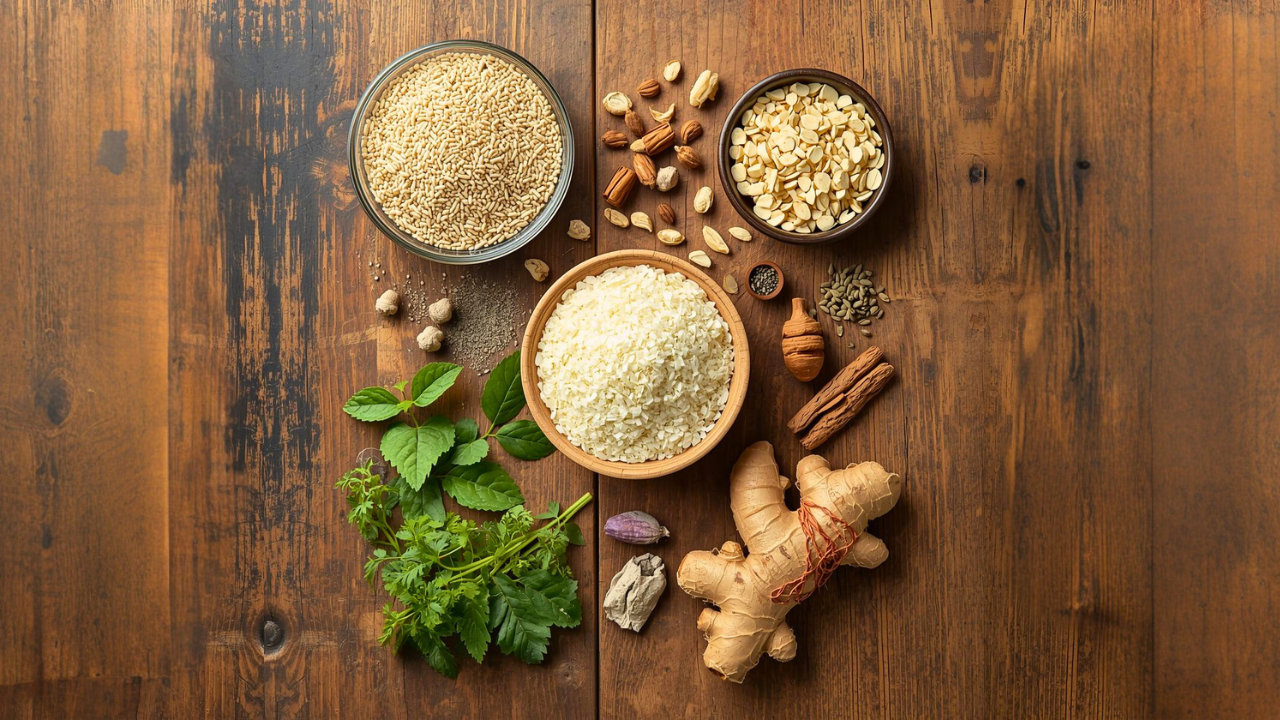
    Suggested Image: Natural remedies for constipation – fruits, water, fiber foods arranged beautifully

    Alt text: “Natural home remedies for constipation relief including fiber foods and hydration”

    📑 Table of Contents:
    • Understanding Constipation
    • Quick Relief Home Remedies
    • High-Fiber Foods for Constipation
    • Natural Laxatives
    • Lifestyle Changes & Exercises
    • Prevention Strategies
    • When to See a Doctor

    Understanding Constipation: Causes & Symptoms

    What is Constipation?

    Constipation occurs when bowel movements become infrequent or difficult to pass. Medically, it’s defined as having fewer than three bowel movements per week, though individual patterns vary. The condition occurs when the colon absorbs too much water from food, making stool hard and dry.

    Common Symptoms of Constipation:

    Infrequent Bowel Movements

    Less than 3 times per week

    Hard, Dry Stools

    Difficult to pass

    Straining

    Excessive effort during bowel movements

    Feeling of Incomplete Evacuation

    Sensation of blockage

    Abdominal Bloating

    Discomfort and fullness

    Cramping Pain

    Lower abdomen discomfort

    Common Causes of Constipation:

    • Low Fiber Diet: Insufficient fruits, vegetables, and whole grains
    • Inadequate Hydration: Not drinking enough water daily
    • Sedentary Lifestyle: Lack of physical activity
    • Ignoring Urge: Delaying bowel movements when nature calls
    • Medications: Painkillers, antacids, antidepressants
    • Stress & Anxiety: Mental health affects digestive function
    • Hormonal Changes: Pregnancy, thyroid disorders
    • Age: Metabolism slows with aging
    • Medical Conditions: IBS, diabetes, neurological disorders
    🔄 How Constipation Develops

    Step 1: Low Fiber & Water Intake

    Diet lacks sufficient fiber and fluids, reducing stool bulk and softness

    Step 2: Slow Colon Movement

    Food moves slowly through digestive tract, colon absorbs excess water

    Step 3: Hard Stool Formation

    Stool becomes dry, hard, and difficult to pass

    Step 4: Straining & Discomfort

    Bowel movements become painful, infrequent, and incomplete

    Result: Constipation

    Chronic cycle develops if dietary and lifestyle changes aren’t made

    Quick Relief Home Remedies for Constipation

    When you need fast relief from constipation, these proven home remedies can help get things moving within a few hours:

    Don’t Delay Urges

    When you feel the urge to go, don’t postpone. Delaying can worsen constipation over time

    Proper Posture

    Use a small stool under feet to elevate knees above hips (squatting position aids elimination)

    Take Your Time

    Allow 10-15 minutes but don’t strain excessively. Relax and let it happen naturally

    Stress Management:

    Stress and anxiety directly affect digestive function. Managing stress can significantly improve constipation:

    • Practice deep breathing exercises
    • Meditation and mindfulness (10-15 minutes daily)
    • Adequate sleep (7-9 hours nightly)
    • Reduce caffeine and alcohol
    • Engage in relaxing hobbies

    Dos and Don’ts for Constipation Management

    ✓ DO THESE

    • Drink 8-10 glasses of water daily
    • Eat 25-30g of fiber daily
    • Exercise regularly (30 min/day)
    • Respond to urge immediately
    • Eat probiotic-rich foods (yogurt)
    • Include fruits & vegetables in every meal
    • Establish regular bathroom routine
    • Chew food thoroughly
    • Take a morning walk
    • Practice stress management

    ✗ DON’T DO THESE

    • Ignore the urge to defecate
    • Consume excessive dairy products
    • Eat too much processed foods
    • Rely on laxatives daily
    • Sit for prolonged periods
    • Eat large meals late at night
    • Consume excessive caffeine
    • Skip meals or fiber
    • Strain excessively during bowel movement
    • Self-medicate without understanding cause

    Suggested Image: Person doing yoga or walking outdoors for digestive health

    Alt text: “Exercise and physical activity for constipation relief”

    Constipation Remedies for Special Groups

    For Children:

    🧒 Safe Remedies for Kids:
    • Increase water intake (age-appropriate amounts)
    • Offer high-fiber fruits: papaya, pear, apple, prunes
    • Warm bath to relax abdominal muscles
    • Bicycle leg movements for babies
    • Avoid excessive milk/dairy if sensitive
    • Encourage regular toilet time after meals
    • Ensure adequate physical play and activity

    When to see pediatrician: If constipation persists >1 week, child has severe pain, blood in stool, or refuses to eat.

    During Pregnancy:

    🤰 Safe Pregnancy Remedies:
    • Increase fiber gradually to avoid gas
    • Drink plenty of water (10-12 glasses)
    • Eat small, frequent meals
    • Include prunes, papaya, kiwi daily
    • Take prenatal vitamins with food
    • Gentle walking and pregnancy-safe yoga
    • Psyllium husk is generally safe (consult doctor)

    Avoid: Stimulant laxatives, castor oil, senna tea, aloe vera (can cause uterine contractions)

    For Elderly:

    👴 Senior-Friendly Approaches:
    • Ensure adequate hydration (often decreased in elderly)
    • Soft, easy-to-digest high-fiber foods
    • Prune juice or stewed prunes
    • Regular gentle exercise or walking
    • Review medications (many cause constipation)
    • Maintain regular meal and bathroom times
    • Consider fiber supplements if dietary fiber insufficient

    Important: Elderly are at higher risk for complications. If constipation is sudden or severe, call a doctor at home for evaluation.

    Preventing Constipation: Long-Term Strategies

    Prevention is always better than treatment. These long-term strategies can help maintain regular bowel movements:

    Morning Routine (6-8 AM)

    • Drink 2 glasses of warm water upon waking
    • Add lemon or psyllium husk to water
    • Eat fiber-rich breakfast (oats, fruits)
    • Allow time for bathroom after breakfast

    Throughout Day (9 AM – 6 PM)

    • Drink water every 2 hours
    • Include vegetables in lunch
    • Take short walking breaks
    • Eat high-fiber snacks (fruits, nuts)

    Evening (6-9 PM)

    • Early, light dinner with vegetables
    • 30-minute walk after dinner
    • Avoid heavy, processed foods
    • Limit caffeine in evening

    Before Bed (9-10 PM)

    • Herbal tea (chamomile, ginger)
    • Gentle abdominal self-massage
    • Relaxation exercises
    • Adequate sleep (7-9 hours)

    ⚠️ When to See a Doctor for Constipation

    While home remedies work for most cases, certain situations require medical attention:

    🚨 See a Doctor Immediately If:
    • No bowel movement for more than 2 weeks despite home remedies
    • Severe abdominal pain or cramping
    • Blood in stool or rectal bleeding
    • Unexplained weight loss with constipation
    • Fever accompanying constipation
    • Vomiting with constipation
    • Thin, pencil-like stools (possible blockage)
    • Sudden change in bowel habits lasting >2 weeks
    • Severe bloating and inability to pass gas
    • Constipation alternating with diarrhea (possible IBS)
    • Family history of colon cancer and new constipation

    Need Medical Consultation for Persistent Constipation?

    If home remedies aren’t working or you’re experiencing severe symptoms, our experienced doctors can provide proper diagnosis and treatment at your home.

    Professional medical care for digestive health issues

    Medical Tests for Chronic Constipation:

    If constipation is chronic or severe, your doctor may recommend:

    • Blood tests: Check for thyroid issues, diabetes, electrolyte imbalances
    • Colonoscopy: Visual examination of colon for blockages or abnormalities
    • Anorectal manometry: Tests muscle function in rectum and anus
    • Colon transit study: Measures how food moves through colon
    • Defecography: X-ray examination during bowel movement

    Related Healthcare Services

    For comprehensive digestive health care and medical consultations:

    Frequently Asked Questions About Constipation

    1. What is the fastest home remedy for constipation?
    The fastest home remedies include drinking warm water with lemon first thing in the morning, consuming prunes or prune juice, drinking coffee, taking a tablespoon of olive oil, and doing gentle abdominal massage. These can provide relief within a few hours. Combining multiple remedies (like warm lemon water + prunes + walking) often works faster than using just one.
    2. How can I relieve constipation quickly at home?
    For quick relief: (1) Drink 2-3 glasses of warm water immediately, (2) Eat high-fiber fruits like papaya, kiwi, or prunes, (3) Try prune juice, (4) Do gentle exercise or walking for 20-30 minutes, (5) Massage your abdomen in clockwise circular motions, (6) Try squatting position on toilet. Relief typically comes within 2-6 hours.
    3. What foods help relieve constipation naturally?
    High-fiber foods that relieve constipation include: prunes, papaya, kiwi, apples with skin, pears, berries, leafy greens, beans, lentils, whole grains (oats, brown rice), flaxseeds, chia seeds, and probiotic-rich foods like yogurt. Always drink plenty of water with fiber-rich foods for best results.
    4. How much water should I drink for constipation?
    Aim for 8-10 glasses (2-2.5 liters) of water daily. Start your day with 2-3 glasses of warm water. Increase water intake when consuming high-fiber foods. Dehydration is a major cause of constipation, so adequate hydration is crucial for relief and prevention.
    5. Can exercise help with constipation?
    Yes, absolutely. Regular physical activity stimulates intestinal muscle contractions and helps move stool through the colon. A 30-minute daily walk, yoga poses (especially twists), swimming, or any moderate exercise can significantly improve bowel function. Even gentle movement after meals helps digestion.
    6. When should I see a doctor for constipation?
    See a doctor if constipation lasts more than 2 weeks despite home remedies, you have severe abdominal pain, notice blood in stool, experience unexplained weight loss, have fever with constipation, or if you have a sudden change in bowel habits. Also consult a doctor if home remedies don’t provide relief after 3-4 days.
    7. Is it safe to use laxatives every day?
    No, stimulant laxatives (senna, castor oil, aloe) should NOT be used daily as they can cause dependency where your bowel stops functioning normally without them. Fiber supplements like psyllium husk are safe for daily use. For chronic constipation, focus on dietary fiber, water, and lifestyle changes rather than relying on laxatives.
    8. Does stress cause constipation?
    Yes, stress and anxiety directly affect the digestive system and can slow down bowel movements. The gut-brain connection means emotional stress impacts physical digestive function. Managing stress through meditation, exercise, adequate sleep, and relaxation techniques can significantly improve constipation.
    9. Are probiotics good for constipation?
    Yes, probiotics can help improve bowel regularity by promoting healthy gut bacteria. Foods like yogurt, kefir, kimchi, sauerkraut, and probiotic supplements can support digestive health. However, they work best when combined with adequate fiber and water intake. Results typically appear after 2-4 weeks of regular consumption.
    10. Can certain medications cause constipation?
    Yes, many medications can cause constipation including: pain medications (especially opioids), antacids containing aluminum or calcium, antidepressants, iron supplements, blood pressure medications, and antihistamines. If you suspect medication-induced constipation, consult your doctor. Don’t stop prescribed medications without medical advice.
    ⚠️ Medical Disclaimer:

    The information provided in this article is for educational purposes only and should not replace professional medical advice. While home remedies are effective for most cases of occasional constipation, chronic or severe constipation may indicate an underlying medical condition requiring professional evaluation.

    Always consult with a qualified healthcare provider before starting any new treatment, especially if you’re pregnant, have chronic health conditions, or are taking medications. If you experience severe symptoms or constipation persists despite home remedies, seek medical attention promptly.

    Conclusion: Managing Constipation Naturally

    Constipation is a common but manageable condition that responds well to natural remedies and lifestyle modifications. The key to effective relief and prevention lies in a holistic approach combining adequate hydration, high-fiber nutrition, regular physical activity, and healthy bathroom habits.

    Most people will find relief within 2-3 days of implementing these home remedies consistently. Quick-relief remedies like warm lemon water, prunes, and gentle exercise can provide immediate comfort, while long-term strategies prevent recurrence.

    Remember that fiber, water, and movement are your three best friends in fighting constipation. Start with small changes—add one high-fiber food daily, drink an extra glass of water each morning, take a 15-minute walk—and gradually build these into permanent healthy habits.

    However, don’t ignore persistent constipation or alarming symptoms. When home remedies aren’t sufficient or you’re experiencing concerning signs, professional medical evaluation is important to rule out underlying conditions and receive appropriate treatment.

    Need Medical Help for Digestive Issues?

    Call +91-7354618597 for professional medical consultation

    Expert care for all digestive health concerns

    🩺 Call Doctor “>

    1. Warm Water with Lemon

    How it works: Stimulates digestive system, hydrates bowels

    How to use: Drink 1 glass of warm water with juice of half a lemon first thing in the morning on empty stomach

    Relief time: 30 minutes to 2 hours
    2. Prunes or Prune Juice

    How it works: High in fiber and sorbitol (natural laxative)

    How to use: Eat 5-6 prunes or drink 1 cup prune juice in morning

    Relief time: 2-6 hours

    3. Coffee

    How it works: Caffeine stimulates colon contractions

    How to use: Drink 1 cup of warm coffee in morning

    Relief time: 30 minutes to 1 hour

    Note: Don’t rely on daily – can cause dependency

    4. Olive Oil

    How it works: Lubricates intestines, softens stool

    How to use: Take 1 tablespoon on empty stomach or mix in warm water with lemon

    Relief time: 2-4 hours

    5. Drink More Water

    How it works: Softens stool, helps it pass easily

    How to use: Drink 8-10 glasses of water throughout the day, 2-3 glasses first thing in morning

    Relief time: 6-24 hours

    6. Abdominal Massage

    How it works: Stimulates intestinal movement

    How to use: Massage abdomen in clockwise circular motions for 5-10 minutes

    Relief time: 1-3 hours

    Suggested Image: Glass of warm lemon water with fresh lemon slices on wooden table

    Alt text: “Warm lemon water – quick home remedy for constipation relief”

    High-Fiber Foods That Relieve Constipation

    Fiber is the cornerstone of constipation prevention and treatment. It adds bulk to stool and helps it move through the intestines. Aim for 25-30 grams of fiber daily.

    Best Fiber-Rich Foods for Constipation:

    Fruits

    • Papaya
    • Kiwi
    • Pears
    • Apples (with skin)
    • Berries
    • Figs

    Vegetables

    • Spinach
    • Broccoli
    • Brussels sprouts
    • Carrots
    • Sweet potatoes
    • Beans & lentils

    Whole Grains

    • Oats
    • Brown rice
    • Whole wheat bread
    • Quinoa
    • Barley
    • Bran cereal

    Seeds & Nuts

    • Flaxseeds
    • Chia seeds
    • Almonds
    • Psyllium husk
    • Sunflower seeds
    Food Fiber Content Serving Size Best For
    Prunes 12g fiber 1 cup Quick relief
    Papaya 2.5g fiber 1 cup Gentle relief + digestive enzymes
    Flaxseeds 2.8g fiber 1 tablespoon Daily prevention
    Oats 4g fiber 1/2 cup dry Breakfast staple
    Lentils 15.6g fiber 1 cup cooked High fiber meal
    Chia Seeds 10g fiber 1 ounce (2 tbsp) Smoothies & yogurt
    ⚠️ Important:

    When increasing fiber intake, do it gradually over 2-3 weeks to avoid gas and bloating. ALWAYS drink plenty of water with fiber – at least 8-10 glasses daily. Fiber without water can worsen constipation.

    Natural Laxatives for Constipation Relief

    These natural substances have mild laxative effects and can help stimulate bowel movements:

    Psyllium Husk (Isabgol)

    Type: Bulk-forming laxative

    Dosage: 1-2 teaspoons in water, 1-2 times daily

    Works in: 12-72 hours

    Benefits: Increases stool bulk, very safe for long-term use

    Aloe Vera Juice

    Type: Stimulant laxative

    Dosage: 2-4 ounces in morning

    Works in: 6-12 hours

    Caution: Don’t use daily; can cause cramping

    Ginger Tea

    Type: Digestive stimulant

    Dosage: 2-3 cups daily

    Works in: 4-8 hours

    Benefits: Reduces bloating, stimulates digestion

    Senna Tea

    Type: Herbal stimulant laxative

    Dosage: 1 cup before bed

    Works in: 6-12 hours

    Warning: Only for occasional use, not daily

    Castor Oil

    Type: Stimulant laxative

    Dosage: 1-2 teaspoons (adult)

    Works in: 2-6 hours

    Caution: Very strong, use sparingly

    Magnesium Supplements

    Type: Osmotic laxative

    Dosage: 300-400mg daily

    Works in: 6-8 hours

    Benefits: Draws water into intestines

    🚨 Important Safety Note:

    Stimulant laxatives (senna, castor oil, aloe) should NOT be used regularly. They can cause dependency where your bowel stops functioning normally without them. Use only occasionally for acute constipation. For chronic issues, focus on fiber, water, and lifestyle changes, or consult a doctor.

    Natural home remedies for constipation relief including fiber foods and hydration

    Lifestyle Changes & Exercises for Constipation Relief

    Physical Activity & Exercise:

    Regular physical activity stimulates intestinal function and helps move stool through the colon more quickly.

    • Walking: 30 minutes daily walk significantly improves bowel function
    • Yoga Poses: Pawanmuktasana (wind-relieving pose), child’s pose, twists
    • Abdominal Exercises: Gentle core exercises stimulate digestive tract
    • Swimming: Full-body exercise that aids digestion
    • Jogging/Running: Vigorous activity for regular bowel movements

    Bathroom Habits:

    Establish Routine

    Try to use the bathroom at the same time daily, preferably after breakfast when colon is most active

  • Home Remedies for UTI

    Home Remedies for UTI: Natural Relief & Medical Guide | Doctor at Home

    🏥 Home Remedies for UTI

    Natural Relief Strategies & When to Seek Medical Care

    ⚠️ Important Medical Disclaimer: Home remedies can provide symptomatic relief and support recovery, but urinary tract infections often require medical evaluation and antibiotic treatment. If symptoms persist beyond 24-48 hours, worsen, or include fever, seek immediate medical attention. This article is for informational purposes only.

    🔍 Understanding UTI: Quick Overview

    A urinary tract infection develops when harmful bacteria enter the urinary system, causing inflammation and irritation. These infections can affect the bladder, urethra, or kidneys. Both men and women develop UTIs, though they’re more prevalent in women due to anatomical differences. The shorter female urethra provides easier bacterial access to the bladder.

    Common UTI Symptoms:

    • Burning sensation during urination
    • Frequent urge to urinate with small quantities
    • Cloudy or blood-tinged urine
    • Pelvic pain or lower abdominal discomfort
    • Fatigue and general malaise
    • Fever in severe cases (indicates possible kidney involvement)

    💊 7 Most Effective Home Remedies for UTI

    1. Cranberry Products

    Cranberries contain compounds that prevent bacteria from adhering to urinary tract walls, reducing infection persistence.

    Benefits: Prevents bacterial adhesion, supports urinary health
    Use: 400-500ml unsweetened cranberry juice daily or cranberry supplements
    Duration: 2-4 weeks for noticeable effects

    2. Increased Water Intake

    Proper hydration dilutes urine and promotes regular system flushing, reducing bacterial concentration.

    Benefits: Flushes bacteria, reduces irritation
    Use: Drink 2-3 liters daily; more if symptomatic
    Tip: Distribute water intake throughout the day

    3. Baking Soda Solution

    Sodium bicarbonate alkalizes urine, potentially reducing burning sensations associated with infection.

    Benefits: Reduces urinary burning, alkalizes urine
    Use: Mix 1/2 teaspoon in 8oz water, once daily
    Note: Do not exceed one dose or use long-term

    4. Vitamin C Supplementation

    Vitamin C acidifies urine, creating an environment less favorable for bacterial survival.

    Benefits: Acidifies urine, immune support
    Use: 500-1000mg daily or citrus fruits
    Sources: Oranges, lemons, strawberries, kiwis

    5. Heat Application

    Localized heat relaxes pelvic muscles and reduces pain intensity during recovery.

    Benefits: Pain relief, muscle relaxation
    Use: Apply heating pad to lower abdomen for 15-20 minutes, 2-3 times daily
    Safety: Use low to medium heat settings

    6. D-Mannose Supplement

    This natural sugar prevents E. coli bacteria from adhering to urinary tract surfaces.

    Benefits: Prevents bacterial adhesion
    Use: 500mg capsules, 2-3 times daily with water
    Best For: Prevention and symptom relief

    7. Apple Cider Vinegar

    Acetic acid content supports urinary system health through creating an acidic environment.

    Benefits: Antimicrobial properties, digestive support
    Use: Mix 1-2 tablespoons in 8oz water, once daily
    Note: Always dilute to prevent tooth erosion

    💧 Daily Hydration Strategy Guide

    Time of Day Fluid Type Quantity Rationale
    Morning Plain Water 500ml Rehydrate after sleep
    Mid-Morning Water + Cranberry 400ml Boost fluid with antimicrobial support
    Afternoon Plain Water 500ml Maintain hydration
    Late Afternoon Water with Lemon 400ml Add Vitamin C, acidify urine
    Evening Herbal Tea 300ml Soothing, anti-inflammatory
    Night Limited Water 200ml max Prevent sleep disruption

    🛡️ UTI Prevention Checklist

    🚽

    Bathroom Hygiene

    Wipe front to back after bowel movements. Empty bladder completely. Never hold urine for extended periods. Urinate regularly.

    🧴

    Personal Cleansing

    Bathe regularly with gentle cleansers. Avoid douches and scented products. Urinate before and after sexual activity.

    👕

    Clothing Choices

    Wear breathable cotton underwear. Avoid tight clothing. Change wet swimsuits immediately after swimming or bathing.

    🥕

    Dietary Habits

    Increase probiotics (yogurt, kefir). Consume fiber-rich foods. Stay adequately hydrated. Reduce irritating foods.

    🌡️

    Avoid Irritants

    Limit caffeine and alcohol. Avoid spicy foods. Minimize artificial sweeteners and acidic beverages.

    💊

    Health Management

    Control blood sugar levels. Manage stress. Get adequate sleep. Consider preventive supplements if prone to UTIs.

    ⚠️ When to Seek Medical Care

    Seek Immediate Medical Attention If:
    • Fever above 101.5°F (38.6°C) develops
    • Severe back or side pain occurs (possible kidney infection)
    • Symptoms don’t improve after 24-48 hours of home treatment
    • Blood in urine becomes visible
    • Nausea or vomiting develops
    • You’re pregnant or have diabetes
    • Symptoms worsen despite treatment efforts
    • This is your first UTI and diagnosis is uncertain

    Why Medical Evaluation Matters: Healthcare providers can perform urinalysis and urine culture tests to confirm diagnosis, identify specific bacteria, and prescribe targeted antibiotic therapy. Early intervention prevents serious complications like kidney infections.

    📊 When to Use Home Remedies vs Medical Treatment

    1
    Symptoms Appear: Burning urination, frequency, urgency, pelvic discomfort
    2
    Start Home Remedies: Increase hydration, cranberry products, Vitamin C, rest
    3
    Monitor 24-48 Hours: Track symptom progression and severity
    ✅ Improvement? Continue remedies, monitor recovery
    ❌ No Improvement? Seek medical evaluation
    4
    Medical Evaluation: Urinalysis, urine culture, diagnosis
    5
    Antibiotic Treatment: Complete full course (5-7 days)

    ❓ Frequently Asked Questions

    Can home remedies cure a UTI completely? +

    Home remedies provide symptom relief but most UTIs require antibiotics for complete bacterial elimination. Remedies support recovery but don’t replace medical treatment. Using home remedies alone for confirmed bacterial UTI may lead to serious complications.

    How long do UTI symptoms last? +

    Without treatment, symptoms can persist for weeks or months. With antibiotics, most people experience relief in 24-48 hours with complete resolution in 5-7 days. Home remedies reduce severity but don’t eliminate infection timeline.

    Is it safe to use multiple home remedies simultaneously? +

    Most remedies can be safely combined, but avoid multiple supplements without consulting a healthcare provider. Baking soda shouldn’t be used long-term with other alkalizing substances. Always inform your doctor about supplements.

    Can men and women use the same remedies? +

    Yes, home remedies are safe for both genders. Women are more prone due to anatomy. Men with UTI symptoms should seek medical evaluation promptly as male UTIs are less common and may indicate underlying issues.

    How often should I urinate during treatment? +

    Frequent urination is beneficial as it flushes bacteria. Don’t suppress urges. Urinate every 2-3 hours and completely empty your bladder. This natural flushing, combined with hydration, supports recovery.

    Are recurrent UTIs preventable? +

    Yes, many recurrent UTIs prevent through consistent lifestyle modifications. Maintain hydration, practice good hygiene, urinate after sexual activity, wear breathable clothing, and avoid irritants. For frequent recurrences, consult your doctor about preventive strategies.

    Doctor at Home | Your Trusted Healthcare Partner

    This article provides general health information. Always consult qualified healthcare professionals for medical advice.

    © 2025 Doctor at Home. All Rights Reserved.

  • When Should You Call a Doctor at Home in Noida

    When Should You Call a Doctor at Home in Noida? Complete Guide | ApnaDoc

    When Should You Call a Doctor at Home in Noida?

    Expert medical guide to help you decide when home doctor visit is the right choice

    Call Doctor: +91-7354618597 WhatsApp Now Book Appointment
    🏥 Medical Advisory:

    This guide has been reviewed by Dr. MD, MBBS AIIMS, with 6+ years of clinical experience. It provides general medical guidance to help you make informed decisions about when to seek home doctor consultation versus hospital care.

    In today’s fast-paced life in Noida, knowing when to call a doctor at home versus rushing to the hospital can save valuable time, reduce stress, and ensure appropriate medical care. Many people delay treatment due to confusion about whether their condition requires hospital admission or can be managed safely at home.

    This comprehensive guide will help you understand when you should call a doctor at home in Noida, what symptoms require urgent medical attention, and how to make the best decision for you and your family’s health.

    Suggested Image: Doctor examining patient at home with stethoscope, family present in background

    Alt text: “Doctor providing medical consultation at patient’s home in Noida”

    📑 Quick Navigation:
    • Understanding Home Doctor Visits
    • Common Scenarios for Calling Doctor at Home
    • Symptoms That Require Home Doctor Visit
    • When to Call Doctor for Children
    • Elderly Patient Care at Home
    • Doctor at Home vs. Hospital: Decision Guide
    • Emergency Situations Requiring Hospital Care

    Understanding Doctor at Home Service in Noida

    A doctor at home service brings qualified MBBS physicians to your doorstep for medical consultation, examination, diagnosis, and treatment. This service is particularly valuable when:

    • The patient cannot safely travel to a hospital or clinic
    • The condition is urgent but not life-threatening
    • Elderly or bedridden patients need medical attention
    • Children with fever or illness would benefit from home comfort
    • Post-hospital follow-up care is required
    • Family members prefer reducing hospital exposure

    What Can a Home Visit Doctor Do?

    Complete Examination

    Thorough physical examination and vital signs check (BP, temperature, pulse, oxygen levels)

    Diagnosis & Assessment

    Clinical diagnosis based on symptoms, history, and examination findings

    Prescribe Treatment

    Write prescriptions for appropriate medications and treatment plans

    Give Injections

    Administer injections or start IV fluids if medically indicated

    Medical Advice

    Provide guidance on diet, rest, home care, and when to seek further help

    Referral if Needed

    Recommend hospital admission or specialist consultation when necessary

    Common Scenarios When You Should Call a Doctor at Home

    Here are typical situations when calling a home visit doctor in Noida is appropriate and beneficial:

    1. High Fever

    When to call: Fever above 101-102°F persisting for more than 2-3 days, or fever with severe weakness

    Why home visit helps: Doctor can assess severity, check for dengue/typhoid signs, prescribe appropriate treatment, and decide if hospitalization is needed

    Read our complete fever treatment guide →

    2. Persistent Vomiting

    When to call: Continuous vomiting preventing oral intake for 12+ hours, signs of dehydration

    Why home visit helps: Doctor can assess dehydration level, start IV fluids at home if needed, give anti-nausea medication

    3. Severe Weakness

    When to call: Extreme fatigue, dizziness, inability to stand or walk properly

    Why home visit helps: Evaluate cause (low BP, dehydration, post-viral), provide immediate treatment, avoid risky travel

    4. BP Fluctuations

    When to call: Sudden high BP with headache, or very low BP with dizziness

    Why home visit helps: Monitor vitals, adjust medications, provide immediate BP control measures, assess if emergency care needed

    5. Elderly Patient Care

    When to call: Any illness in elderly patients who cannot travel safely

    Why home visit helps: Reduces stress, prevents fall risk during travel, allows family presence, provides comprehensive care

    6. Children with Fever/Cold

    When to call: Child’s fever, cough, cold when parents prefer avoiding hospital exposure

    Why home visit helps: Child stays comfortable, reduced infection exposure, parents can relax, doctor can properly examine

    7. Food Poisoning

    When to call: Vomiting, diarrhea, stomach pain after food intake

    Why home visit helps: Quick relief through injections, IV fluids if dehydrated, medication to stop vomiting

    8. Post-Viral Weakness

    When to call: Recovering from dengue, typhoid, COVID, or other viral illness with lingering weakness

    Why home visit helps: Monitor recovery, provide supportive care, IV therapy if needed, reassurance to family

    9. Medication Side Effects

    When to call: Unusual symptoms after starting new medication

    Why home visit helps: Assess if side effect is serious, adjust medication, provide alternative treatment

    10. Bedridden Patient Care

    When to call: Routine check-ups or new symptoms in bedridden patients

    Why home visit helps: Regular monitoring, wound care, medication adjustment, prevents complications

    11. Post-Hospital Follow-Up

    When to call: After hospital discharge for monitoring and wound care

    Why home visit helps: Ensures proper recovery, catches complications early, reduces readmission risk

    12. Busy Schedule Constraints

    When to call: Need medical consultation but cannot take time off for hospital visit

    Why home visit helps: Convenient timing, no waiting, efficient care at home

    Specific Symptoms That Warrant Doctor at Home Visit

    Understanding which symptoms require professional medical attention can help you make timely decisions. Call a doctor at home in Noida if you experience:

    Fever-Related Symptoms

    • Temperature above 103°F (39.4°C)
    • Fever persisting for more than 3 days despite medication
    • Fever with severe body ache (possible dengue/chikungunya)
    • Fever with severe headache and stiff neck
    • Fever with rash or skin changes
    • Fever in elderly or very young children

    Gastrointestinal Symptoms

    • Vomiting that prevents keeping any food or liquid down
    • Bloody vomit or stool
    • Severe abdominal pain (moderate, not excruciating)
    • Continuous diarrhea with dehydration signs
    • Loss of appetite for several days with weakness

    Respiratory Symptoms

    • Persistent cough for more than a week
    • Cough with thick, colored mucus or blood traces
    • Mild breathing difficulty (not severe)
    • Chest congestion with fever
    • Sore throat with difficulty swallowing

    General Symptoms

    • Severe weakness affecting daily activities
    • Persistent dizziness or lightheadedness
    • Dehydration signs (dark urine, dry mouth, reduced urination)
    • Body ache preventing normal movement
    • Sudden onset of unusual symptoms
    ⚠️ Important Note:

    These symptoms suggest you need medical attention but are generally manageable at home by a qualified doctor. However, if symptoms are severe or life-threatening, proceed directly to the emergency room. See “Emergency Situations” section below.

    Suggested Image: Infographic showing common symptoms requiring doctor visit (fever, vomiting, weakness icons)

    Alt text: “Common symptoms when you should call doctor at home in Noida”

    When to Call a Doctor at Home for Children in Noida

    Children require special attention as they cannot always communicate their discomfort clearly. Call a doctor at home for your child when:

    Infant Fever (0-6 months)

    Call if: Any fever in babies under 3 months, or fever above 100.4°F in 3-6 month olds

    Why urgent: Infants can deteriorate quickly, need immediate assessment

    Toddler/Child Fever

    Call if: Fever above 102°F for 3+ days, fever with lethargy, fever with refusal to eat/drink

    Action: Doctor assesses severity, checks for common childhood infections

    Respiratory Issues

    Call if: Persistent cough, wheezing, mild breathing difficulty, chest congestion

    Note: Severe breathing difficulty requires emergency care, not home visit

    Diarrhea/Vomiting

    Call if: Multiple episodes in 24 hours, signs of dehydration, child appears unwell

    Treatment: Doctor can provide ORS guidance, anti-nausea medication, assess hydration

    Skin Rashes

    Call if: Unexplained rash with or without fever, allergic reaction to food/medication

    Assessment: Differentiate between viral rash, allergy, or serious condition

    Ear Pain/Infection

    Call if: Child pulling ear, crying, fever with ear pain, fluid from ear

    Relief: Doctor can diagnose ear infection, prescribe appropriate antibiotics

    ✓ Benefits of Home Doctor Visit for Children:
    • Child stays in comfortable, familiar environment
    • No exposure to hospital infections
    • Parents can stay calm and ask questions freely
    • Doctor can properly examine without child being overly distressed
    • Siblings can continue normal routine at home

    When to Call a Doctor at Home for Elderly Patients

    Elderly patients often benefit most from home doctor visits due to mobility challenges, multiple health conditions, and increased vulnerability. Call a doctor at home for elderly family members when:

    Common Elderly Health Situations:

    Mobility Limitations

    Elderly patients with arthritis, weakness, or post-stroke condition who cannot easily travel to hospital

    Chronic Disease Management

    Regular monitoring of BP, diabetes, heart conditions without stressful hospital visits

    Recurrent Infections

    UTI, respiratory infections, skin infections common in elderly requiring prompt care

    Medication Review

    Confusion about medications, side effects, need for medication adjustment

    Cognitive Issues

    Dementia or confusion patients who may become more distressed in hospital setting

    Post-Fall Assessment

    Minor falls requiring medical check-up but not emergency room visit

    🧓 Why Elderly Patients Benefit from Home Doctor Visits:
    • Reduced Fall Risk: No risk of falling during hospital travel or while waiting
    • Less Stressful: Familiar environment reduces anxiety and confusion
    • Comprehensive Care: Doctor can see home environment, suggest safety improvements
    • Family Involvement: Caregivers can discuss concerns directly with doctor
    • Infection Prevention: Avoid hospital-acquired infections that elderly are vulnerable to
    • Dignity Preserved: Examination in private home setting maintains dignity

    Doctor at Home vs. Hospital: How to Decide?

    Making the right decision between calling a doctor at home versus going to the hospital can be challenging. Here’s a clear decision framework:

    🤔 Quick Decision Guide

    ✓ CALL DOCTOR AT HOME

    • Mild to moderate symptoms
    • Fever under 104°F
    • Patient is conscious and alert
    • Can wait a few hours for care
    • Elderly/children benefit from home comfort
    • Post-hospital follow-up
    • Chronic condition monitoring
    • Patient prefers avoiding hospital

    ⚠️ GO TO HOSPITAL/ER

    • Severe chest pain
    • Difficulty breathing (gasping for air)
    • Unconsciousness or near unconsciousness
    • Severe bleeding or injury
    • Stroke symptoms (face drooping, arm weakness)
    • Severe allergic reaction (throat swelling)
    • High fever (105°F+) with confusion
    • Severe abdominal pain (appendicitis-like)
    Situation Home Doctor Visit Hospital Visit
    Fever 102-103°F, alert patient Above 104°F with confusion
    Vomiting Multiple episodes, can drink small amounts Bloody vomit, severe dehydration
    Breathing Mild difficulty, can speak normally Severe difficulty, gasping, turning blue
    Pain Moderate, tolerable with medication Severe, unbearable, sudden onset
    Injury Minor cuts, bruises, sprains Deep wounds, fractures, head injury
    Mental Status Alert, responsive, oriented Confused, disoriented, unconscious

    ⚠️ Emergency Situations: Go Directly to Hospital

    The following are medical emergencies that require immediate hospital care, NOT a home doctor visit:

    🚨 CALL AMBULANCE (102) OR GO TO EMERGENCY ROOM IMMEDIATELY:
    • Chest pain or pressure, especially radiating to arm/jaw
    • Severe difficulty breathing or choking
    • Unconsciousness or unresponsiveness
    • Seizures or convulsions
    • Severe bleeding that won’t stop
    • Signs of stroke (sudden weakness, facial drooping, speech difficulty)
    • Severe allergic reaction (throat swelling, unable to breathe)
    • Severe burns or electrical injury
    • Poisoning or drug overdose
    • Severe head injury with loss of consciousness
    • Broken bones with visible deformity
    • Sudden, severe headache (worst ever experienced)
    • High fever (above 105°F) with altered mental state
    • Suicidal thoughts or severe psychiatric emergency

    In these situations, every minute counts. Do NOT wait for a home doctor visit.

    Suggested Image: Emergency vs non-emergency comparison chart with clear visual indicators

    Alt text: “Emergency situations requiring hospital vs conditions suitable for doctor at home in Noida”

    How to Call a Doctor at Home in Noida

    When you’ve decided that a home doctor visit is appropriate, here’s how to quickly arrange one with ApnaDoc:

    1. Call or WhatsApp: Contact +91-7354618597 or message on WhatsApp
    2. Describe the Situation: Briefly explain patient’s symptoms, age, and medical history
    3. Provide Location: Give complete address in Noida/Greater Noida
    4. Schedule Visit: Our team will arrange doctor visit at earliest available time
    5. Prepare for Visit: Keep any medical reports, current medications list ready
    6. Doctor Arrives: MBBS physician visits with necessary medical equipment
    ✓ What to Keep Ready Before Doctor Arrives:
    • List of current symptoms with timeline
    • Current medications being taken
    • Any allergies to medications
    • Recent medical reports or test results
    • Medical history (diabetes, BP, heart conditions, etc.)
    • Questions you want to ask the doctor

    Need a Doctor at Home in Noida? Call ApnaDoc Now

    Don’t delay medical care. Our experienced MBBS doctors are ready to visit your home for comprehensive medical consultation and treatment.

    Available across all Noida sectors, Greater Noida & Indirapuram

    Related Home Healthcare Services

    In addition to general doctor consultation, ApnaDoc provides comprehensive home medical services:

    • Fever Treatment at Home – Specialized care for high fever and viral infections
    • IV Drip at Home – Hydration therapy and IV fluids for dehydration
    • Injection Services – IM, IV, and SC injections administered safely
    • BP & Diabetes Monitoring – Regular check-ups for chronic conditions
    • Elderly Care – Comprehensive medical care for senior citizens
    • Post-Surgical Care – Follow-up care after hospital discharge
    • Wound Dressing – Professional wound care at home

    Frequently Asked Questions

    1. When should I call a doctor at home instead of going to hospital?
    Call a doctor at home for mild to moderate conditions like fever (under 104°F), weakness, vomiting, elderly care needs, children’s illness, or when the patient cannot travel safely. Go to hospital for severe emergencies like chest pain, difficulty breathing, unconsciousness, or severe injuries.
    2. What symptoms require immediate doctor at home visit?
    High fever above 103°F, persistent vomiting for 12+ hours, severe weakness preventing normal activities, dehydration signs, elderly patient with infection, post-hospital follow-up needs, or any situation where hospital visit is difficult but medical care is needed urgently.
    3. Is doctor at home suitable for children in Noida?
    Yes, doctor at home is excellent for children with fever, cold, cough, vomiting, or mild infections. It keeps the child comfortable, reduces exposure to hospital infections, and allows parents to stay calm. However, severe pediatric emergencies require immediate hospital care.
    4. Can doctor at home handle elderly patient care?
    Absolutely. Doctor at home is ideal for elderly patients who face difficulty traveling, have mobility issues, or multiple health conditions. Common elderly care needs like BP monitoring, diabetes check-ups, infection management, and routine consultations are handled effectively at home.
    5. How quickly can a doctor reach home in Noida?
    ApnaDoc typically arranges doctor home visits within a few hours depending on your location in Noida and doctor availability. For urgent cases, we prioritize faster response. Call +91-7354618597 to check immediate availability in your area.
    6. What can a home visit doctor do?
    A home visit doctor can conduct complete physical examination, check vitals (BP, temperature, pulse, oxygen), diagnose conditions, prescribe medications, give injections, start IV fluids if needed, provide medical advice, and recommend hospital admission if necessary.
    7. Should I call doctor at home for fever?
    Yes, call a doctor at home if fever is above 101-102°F for more than 2-3 days, accompanied by severe weakness, body ache, or if the patient cannot visit hospital. The doctor can assess for dengue, typhoid, or other infections and provide appropriate treatment. Read our detailed fever treatment guide.
    8. When should I go to hospital instead of calling doctor at home?
    Go directly to hospital/ER for: chest pain, severe breathing difficulty, unconsciousness, severe bleeding, stroke symptoms, severe allergic reaction, high fever (105°F+) with confusion, severe injuries, or any life-threatening emergency. These situations require immediate emergency care, not home visits.
    9. Is home doctor visit safe and effective?
    Yes, when provided by qualified MBBS doctors like ApnaDoc’s medical team. Home visits are safe for mild to moderate conditions and offer advantages like patient comfort, reduced hospital exposure, family involvement, and comprehensive care in familiar surroundings.
    10. Which areas in Noida does ApnaDoc cover?
    ApnaDoc provides doctor at home services across all Noida sectors (including Sector 18, 62, 137, 76, 50, 93), Greater Noida, Noida Extension, and Indirapuram. Call to confirm availability in your specific location.

    Conclusion: Making the Right Healthcare Decision

    Knowing when to call a doctor at home versus visiting a hospital is crucial for ensuring timely, appropriate medical care while avoiding unnecessary stress and expense. For mild to moderate health concerns, elderly care needs, children’s illnesses, or situations where hospital travel is challenging, doctor at home service in Noida offers a safe, convenient, and effective alternative.

    ApnaDoc’s experienced MBBS physicians provide comprehensive medical care at your doorstep, ensuring you receive professional diagnosis and treatment without the hassles of hospital visits. However, always remember that severe, life-threatening emergencies require immediate hospital care.

    Trust your instincts—if something feels seriously wrong, seek emergency care immediately. For everything else, a qualified doctor at home can provide the medical attention you need in the comfort and safety of your own home.

    📞 Call ApnaDoc for Doctor at Home in Noida

    +91-7354618597

    Professional medical care, delivered to your doorstep

    🏥 Call Doctor
  • Fever Treatment at Home in Noida


    Fever Treatment at Home in Noida | Complete Medical Guide

    Expert home remedies, medical advice & professional doctor consultation for fever management

    Call Doctor: +91-7354618597 WhatsApp Now
    📋 Medical Review:

    This article has been reviewed by Dr. MD, MBBS AIIMS, with 6+ years of experience in General Practice and Fever Management. Last updated: January 2026

    Fever is one of the most common health concerns affecting people in Noida, especially during seasonal changes and monsoon months. Whether you’re dealing with viral fever, dengue-related fever, or general infection-related temperature rise, knowing how to manage fever at home can provide significant relief while you decide if medical intervention is needed.

    This comprehensive guide covers everything you need to know about fever treatment at home in Noida, including safe home remedies, when to seek medical help, and how to access professional doctor at home services in Noida.

    📑 Table of Contents:
    • Understanding Fever: What You Need to Know
    • Home Remedies for Fever Treatment
    • Foods to Eat and Avoid During Fever
    • Fever in Children: Special Considerations
    • When to Call a Doctor at Home in Noida
    • Preventing Fever and Complications

    Suggested Image: Thermometer showing fever temperature with person in background

    Alt text: “Fever temperature reading on thermometer – fever treatment at home Noida”

    Understanding Fever: What You Need to Know

    Fever is your body’s natural defense mechanism against infections. When harmful bacteria or viruses enter your body, your immune system raises your body temperature to create an inhospitable environment for these pathogens.

    What Temperature is Considered Fever?

    Temperature Range Classification Action Required
    98.6°F (37°C) Normal No action needed
    99°F – 100.3°F (37.2°C – 37.9°C) Low-grade fever Monitor and use home remedies
    100.4°F – 102°F (38°C – 38.9°C) Moderate fever Home treatment + medical consultation if persistent
    102°F – 104°F (38.9°C – 40°C) High fever Medical attention recommended
    Above 104°F (40°C) Very high fever Immediate medical attention required

    Common Causes of Fever in Noida

    Viral Infections

    Common cold, flu, dengue, chikungunya – especially prevalent during monsoon season in Noida

    Bacterial Infections

    Typhoid, urinary tract infections, throat infections common in urban areas

    Environmental Factors

    Air pollution, seasonal allergies, and temperature fluctuations in Noida

    Other Causes

    Vaccination reactions, heat exhaustion, medication side effects

    ⚠️ Important Note:

    Dengue and other mosquito-borne diseases are common in Noida, especially during July to November. If you have high fever with body ache, severe headache, or rash, seek immediate medical attention.

    Proven Home Remedies for Fever Treatment in Noida

    These evidence-based home remedies can help manage fever effectively while your body fights the infection. These methods are particularly useful for low to moderate fever (below 103°F).

    1. Stay Hydrated

    Drink plenty of fluids to prevent dehydration caused by fever-induced sweating.

    • Water (8-10 glasses daily)
    • ORS (Oral Rehydration Solution)
    • Coconut water
    • Fresh fruit juices
    • Herbal teas (tulsi, ginger)

    2. Get Adequate Rest

    Rest allows your immune system to focus energy on fighting infection.

    • Sleep 8-10 hours daily
    • Avoid strenuous activities
    • Take short naps during day
    • Stay in comfortable position

    3. Lukewarm Sponging

    Helps reduce body temperature naturally without shocking the system.

    • Use lukewarm water (not cold)
    • Sponge forehead, armpits, groin
    • Do for 10-15 minutes
    • Repeat every 2-3 hours if needed

    4. Wear Light Clothing

    Allows body heat to escape and prevents overheating.

    • Cotton breathable fabrics
    • Single layer of light clothing
    • Avoid heavy blankets
    • Change if clothes get sweaty

    5. Maintain Cool Environment

    Keep room temperature comfortable, not too hot or cold.

    • Room temp: 22-24°C ideal
    • Use fan at moderate speed
    • Avoid direct AC blast
    • Ensure proper ventilation

    6. Herbal Remedies

    Traditional Indian remedies proven effective for fever management.

    • Tulsi (Holy Basil) tea
    • Ginger-honey mixture
    • Turmeric milk
    • Coriander seed water