Diabetic Doctor in Noida
Expert diabetes management, monitoring, and consultation at your home – Type 1, Type 2 & Gestational Diabetes
Book Doctor: +91-7354618597 WhatsApp Now Book AppointmentThis article has been medically reviewed by Dr. MD, MBBS AIIMS. The information is evidence-based and intended for educational purposes. Always consult with a qualified healthcare professional for proper diabetes diagnosis, management, and treatment.
Diabetes is one of the most common chronic diseases affecting millions of people across India, including thousands of residents in Noida. Whether you’ve been recently diagnosed with diabetes or struggling to manage your blood sugar levels, professional medical guidance is essential for effective disease control and prevention of serious complications.
Finding a reliable diabetic doctor who understands your specific condition and can provide personalized diabetes management is challenging. This is where expert home consultation services become invaluable. Professional diabetic doctors can visit your home in Noida to provide complete diagnosis, monitoring, medication management, and lifestyle guidance tailored to your individual needs.

- Understanding Diabetes
- Types of Diabetes Explained
- Symptoms & Early Detection
- Diabetic Doctor Home Services
- Blood Sugar Monitoring at Home
- Diabetes Management Plan
- Diet & Lifestyle for Diabetes
- Complication Prevention
- Regular Check-ups Schedule
Understanding Diabetes – A Complete Medical Guide
What is Diabetes?
Diabetes is a chronic metabolic disorder characterized by high blood glucose (sugar) levels. It occurs when the pancreas either doesn’t produce enough insulin (a hormone that regulates blood sugar) or the body cannot effectively use the insulin that’s produced. This results in glucose accumulating in the bloodstream instead of entering cells where it’s needed for energy.
When left uncontrolled, diabetes can lead to serious complications affecting multiple organs including eyes, kidneys, heart, nerves, and blood vessels. However, with proper diagnosis, medication management, diet control, and lifestyle modifications, diabetes can be effectively managed to maintain normal blood sugar levels and prevent complications.
Why Professional Diabetic Doctor Care is Important:
- Accurate diabetes diagnosis and classification (Type 1, 2, or Gestational)
- Personalized treatment plan based on your specific needs
- Proper blood sugar monitoring and medication adjustment
- Prevention and early detection of complications
- Expert guidance on diet, exercise, and lifestyle changes
- Regular follow-ups to ensure optimal control
- Management of comorbid conditions (hypertension, cholesterol)
- Emotional support and motivation for long-term compliance
Types of Diabetes – Complete Classification
Understanding the type of diabetes you have is crucial for proper treatment. Here are the main types:
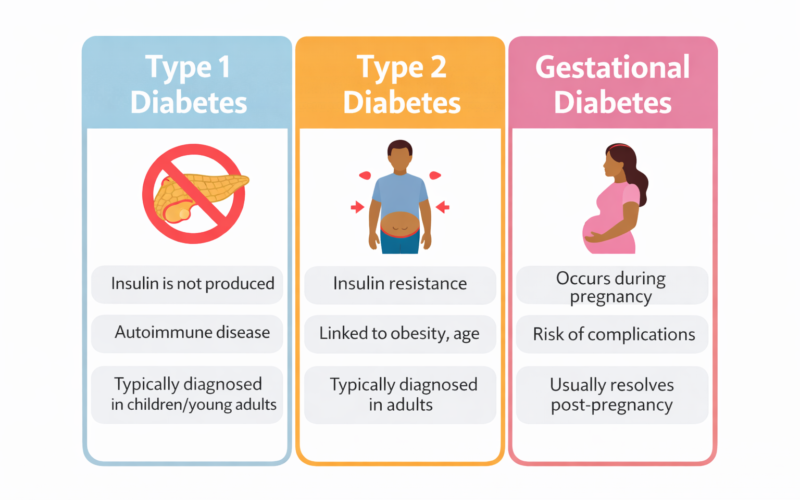
Type 1 Diabetes
Cause: Autoimmune condition – body’s immune system attacks pancreas cells that produce insulin
Onset: Usually in childhood/young adults (age <30)
Prevalence: 5-10% of all diabetes cases
Treatment: Requires insulin injections daily
Risk Factors: Genetic, family history
Type 2 Diabetes
Cause: Insulin resistance – body cannot effectively use insulin produced
Onset: Usually in adults >45 years (can occur earlier)
Prevalence: 90-95% of all diabetes cases
Treatment: Oral medications, diet, exercise (insulin if needed)
Risk Factors: Obesity, sedentary lifestyle, family history
Gestational Diabetes
Cause: High blood sugar during pregnancy due to hormonal changes
Onset: Develops during pregnancy (usually 2nd/3rd trimester)
Prevalence: 2-10% of pregnancies
Treatment: Diet, exercise, monitoring (insulin if needed)
Risk: Can develop Type 2 diabetes later in life
Pre-Diabetes
Definition: Blood sugar levels higher than normal but not yet diabetic
Fasting Sugar: 100-125 mg/dL (normal: <100)
Reversibility: CAN be reversed with lifestyle changes
Importance: Early intervention prevents Type 2 diabetes
Action: Weight loss, exercise, healthy diet
Understanding Blood Sugar Levels:
| Condition | Fasting (mg/dL) | Post-Meal (mg/dL) | HbA1c (%) | Status |
|---|---|---|---|---|
| Normal | <100 | <140 | <5.7 | Healthy |
| Pre-Diabetic | 100-125 | 140-199 | 5.7-6.4 | At Risk |
| Diabetic | >126 | >200 | >6.5 | Requires Treatment |
| Target (Diabetics) | 80-130 | <180 | 6.5-7 | Well Controlled |
Diabetes Symptoms – Early Signs to Watch
Early detection of diabetes symptoms is crucial for timely treatment. Here are the most common signs:
Frequent Urination
Need to urinate more often, especially at night
Excessive Thirst
Constant thirst and dry mouth
Extreme Fatigue
Persistent weakness and exhaustion
Unexplained Weight Loss
Sudden weight loss despite eating normally
Blurred Vision
Difficulty focusing, blurry eyesight
Slow Wound Healing
Cuts and bruises take longer to heal
- Sudden onset of extreme thirst and frequent urination
- Unexplained weight loss (>5-10 kg in short period)
- Persistent blurred vision lasting more than few days
- Numbness or tingling in hands/feet (neuropathy)
- Any sign of wound infection that won’t heal
- Feeling dizzy, weak, or confused
- Fruity-smelling breath (possible diabetic emergency)
Diabetic Doctor Home Services in Noida
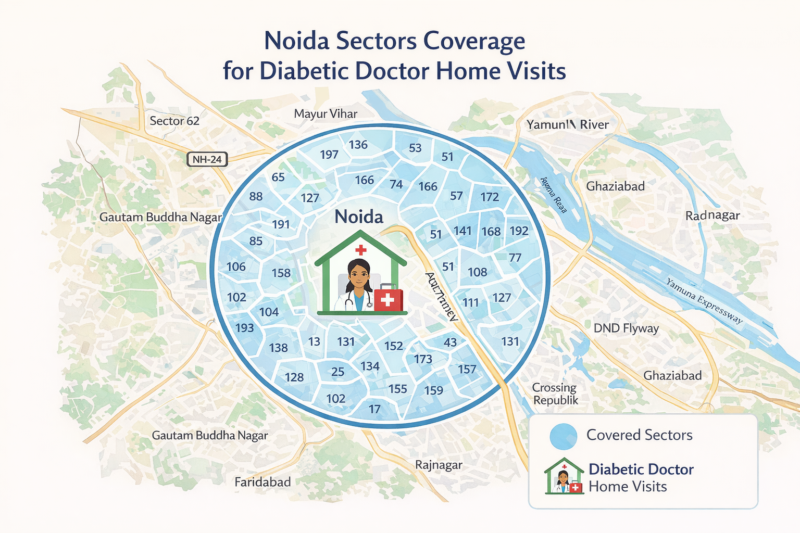
ApnaDoc provides comprehensive diabetes management services at your home across all Noida sectors. Our experienced doctors offer:
Diabetes Diagnosis
Complete assessment with blood sugar testing (fasting, post-meal, random), HbA1c levels, and classification of diabetes type.
Blood Sugar Monitoring
Home-based glucose monitoring with portable devices, glucometer, and regular tracking of blood sugar patterns.
Medication Management
Prescription and adjustment of diabetic medications (oral medications or insulin), ensuring optimal glucose control.
Nutritional Guidance
Personalized diet plans considering your food preferences, cultural habits, and blood sugar management goals.
Exercise Planning
Customized exercise routines suitable for your fitness level and diabetes type to help improve insulin sensitivity.
Lab Tests at Home
Blood sample collection for HbA1c, fasting glucose, kidney function, liver function, and lipid profile tests.
Step 1: Initial Consultation
Doctor visits your home for complete medical history, symptom assessment, and physical examination including weight, blood pressure, and foot examination.
Step 2: Diagnosis & Testing
Blood tests for fasting glucose, HbA1c, random blood sugar, kidney function, liver function, and lipid profile. At-home sample collection by lab technician.
Step 3: Personalized Treatment Plan
Doctor creates individualized plan including medications (oral/insulin), diet guidelines, exercise recommendations, and blood sugar targets.
Step 4: Home Monitoring Setup
Training on proper use of glucometer, maintenance of blood sugar diary, and understanding when to check blood sugar levels.
Step 5: Regular Follow-ups
Monthly consultations (initially), then quarterly based on control. Medication adjustments based on blood sugar readings and HbA1c levels.
Step 6: Complication Screening
Annual eye check, kidney function tests, nerve examination, and cardiovascular assessment to prevent and detect early complications.
Home Blood Sugar Monitoring – Complete Guide
How to Check Blood Sugar at Home:
- Use a Glucometer: Small device that measures blood glucose from a tiny blood drop
- Lancet Finger Prick: Prick your fingertip with a sterile lancet to get blood drop
- Apply to Test Strip: Place blood drop on glucose meter test strip
- Read Result: Meter displays blood sugar level in mg/dL within 5-10 seconds
- Record in Diary: Write down time, reading, meals eaten, and exercise done
When to Check Blood Sugar:
- Fasting (Before Breakfast): First thing after waking, before eating
- Post-Meal (2 hours after): Check 2 hours after breakfast, lunch, dinner
- Before Bed: Evening reading to prevent nighttime low blood sugar
- Before Exercise: Ensure safe to exercise with current blood sugar
- When Feeling Unwell: If experiencing symptoms like dizziness or fatigue
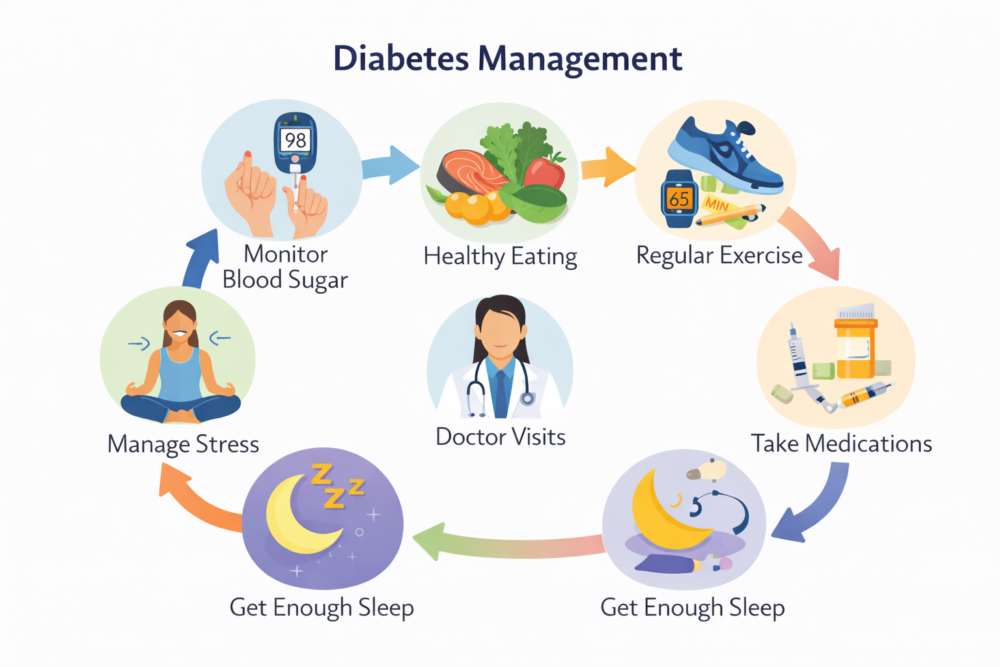
Diabetes Diet & Lifestyle Management
✓ DO THESE
- Eat high-fiber foods (vegetables, whole grains, beans)
- Include lean proteins (chicken, fish, tofu, lentils)
- Drink 2-3 liters of water daily
- Exercise 30 minutes daily (walking, cycling, yoga)
- Maintain healthy weight (lose 5-10% if overweight)
- Check portion sizes – eat smaller meals
- Monitor carbohydrate intake carefully
- Take medications regularly on time
- Get 7-8 hours of quality sleep
- Manage stress through meditation/yoga
✗ DON’T DO THESE
- Don’t skip meals (causes blood sugar imbalance)
- Don’t eat sugary foods/drinks
- Don’t consume processed foods
- Don’t remain sedentary – move regularly
- Don’t skip medications/insulin
- Don’t ignore blood sugar readings
- Don’t eat large meals (spreads glucose spike)
- Don’t consume excess salt/oil
- Don’t smoke or consume alcohol
- Don’t delay doctor visits for check-ups
Diabetic-Friendly Foods List:
| Food Category | Best Choices | Limit/Avoid | Portion Size |
|---|---|---|---|
| Vegetables | Leafy greens, broccoli, cauliflower, carrots, tomatoes | Fried vegetables, potato chips | Half plate per meal |
| Fruits | Berries, apple, orange, papaya (whole fruit) | Fruit juices, dried fruits, ripe mangoes | One medium fruit per day |
| Grains | Brown rice, whole wheat, oats, millets | White rice, refined bread, maida | ¼-⅓ of plate per meal |
| Proteins | Chicken, fish, tofu, lentils, beans, eggs | Red meat, processed meat, excess dairy | ¼ of plate per meal |
| Oils/Fats | Olive oil, coconut oil (limited), groundnut oil | Ghee, butter, refined oils in excess | 1-2 teaspoons per meal |
| Beverages | Water, herbal tea, unsweetened coffee | Soft drinks, fruit juices, sweetened tea | 8-10 glasses water daily |
Preventing Diabetes Complications
Long-term uncontrolled diabetes can lead to serious complications. Early detection and prevention are crucial:
Major Diabetes Complications to Prevent:
- Diabetic Retinopathy: Eye damage causing vision loss – Prevent with annual eye check-ups
- Diabetic Nephropathy: Kidney damage – Prevent with regular kidney function tests
- Diabetic Neuropathy: Nerve damage causing numbness/pain – Prevent with good blood sugar control
- Diabetic Foot: Ulcers and infections – Prevent with daily foot care and regular checks
- Heart Disease: Increased risk of heart attack/stroke – Prevent with cardiovascular monitoring
- High Blood Pressure: Common in diabetics – Monitor and control with medication
- High Cholesterol: Increases heart disease risk – Regular lipid profile testing
Annual Screening Checklist for Diabetics:
- HbA1c test (every 3 months initially, then 6-monthly if controlled)
- Comprehensive eye examination with dilated pupils
- Kidney function tests (creatinine, albumin in urine)
- Foot examination and neuropathy screening
- Cardiovascular assessment (ECG, blood pressure check)
- Lipid profile (cholesterol, triglycerides)
- Liver function tests (especially if on certain medications)
Expert Diabetic Doctor Consultation at Your Home in Noida
Professional diabetes management, personalized treatment plans, regular monitoring, and prevention of complications. Expert care delivered to your home in 30-60 minutes.
Same-day appointments available • All Noida sectors covered • Expert endocrinologists
Regular Diabetic Check-up Schedule
Recommended Visit Frequency:
- Newly Diagnosed (First 3 months): Monthly visits for medication adjustment and education
- If Blood Sugar Poorly Controlled: Monthly visits until target achieved
- If Blood Sugar Well Controlled: Every 3 months for routine check-up and HbA1c test
- Stable Diabetics: Quarterly visits (every 3 months) minimum
- Annual Full Evaluation: Complete screening including eyes, kidneys, feet, heart
- Emergency Visit: If blood sugar <70 mg/dL (hypoglycemia) or >400 mg/dL (hyperglycemia)
Related Healthcare Services in Noida
For comprehensive healthcare and medical support:
- Doctor at Home Service Noida – Professional home medical consultation for all conditions
- Health Checkup at Home Noida – Complete preventive health check-up packages
- Lab Test at Home Noida – Blood test sample collection and testing at home
- When to Call Doctor at Home – Emergency guidelines for seeking medical help
- Fever Treatment at Home – Medical care for fever and infections
- Contact Us – Book appointment or consult doctor
Frequently Asked Questions About Diabetic Doctor Services
The information provided in this article is for educational purposes only and should not replace professional medical advice. Diabetes is a serious chronic condition requiring individualized treatment plans based on comprehensive medical evaluation.
Always consult with a qualified healthcare professional for proper diabetes diagnosis, management, medication adjustment, and complication screening. This information is not a substitute for medical consultation. If you suspect diabetes or experience symptoms, contact a diabetic doctor immediately for professional evaluation and appropriate treatment.
Conclusion – Expert Diabetic Care at Your Home
Diabetes is a manageable chronic condition that doesn’t have to disrupt your daily life when properly controlled. With expert medical guidance, appropriate medications, careful diet management, regular exercise, and consistent blood sugar monitoring, most diabetics achieve excellent blood sugar control and enjoy a normal, healthy lifestyle.
The key is finding a diabetic doctor who understands your specific needs, provides personalized treatment, and supports you throughout your diabetes management journey. ApnaDoc’s home doctor services bring this expert care directly to your home in Noida, eliminating the hassle of visiting clinics and hospitals while maintaining privacy and comfort.
Whether you’re newly diagnosed, struggling with control, or looking to prevent complications, our experienced diabetic doctors are here to help. From initial diagnosis to long-term management, annual screening, and complication prevention – we handle all aspects of your diabetes care professionally and compassionately.
Don’t delay seeking professional help if you suspect diabetes or are struggling with blood sugar control. Early diagnosis and prompt treatment can prevent serious complications and help you live a full, healthy life with diabetes.
Expert diabetes management • Same-day home visit • All Noida sectors covered