15+ Effective Home Remedies for Constipation Relief
Natural, safe & proven solutions to relieve constipation quickly
Call Doctor: +91-7354618597 WhatsApp Now Book AppointmentThis article has been medically reviewed by Dr. MD, MBBS AIIMS. The information provided is evidence-based and intended for educational purposes. Always consult with a healthcare professional for persistent digestive issues.
Constipation is one of the most common digestive complaints affecting millions of people worldwide. Whether occasional or chronic, it can cause significant discomfort and impact your quality of life. The good news is that most cases of constipation can be effectively managed with simple, natural home remedies combined with lifestyle modifications.
This comprehensive guide covers proven home remedies for constipation including dietary changes, natural laxatives, hydration strategies, and lifestyle adjustments that can provide relief within hours to days, depending on the severity.
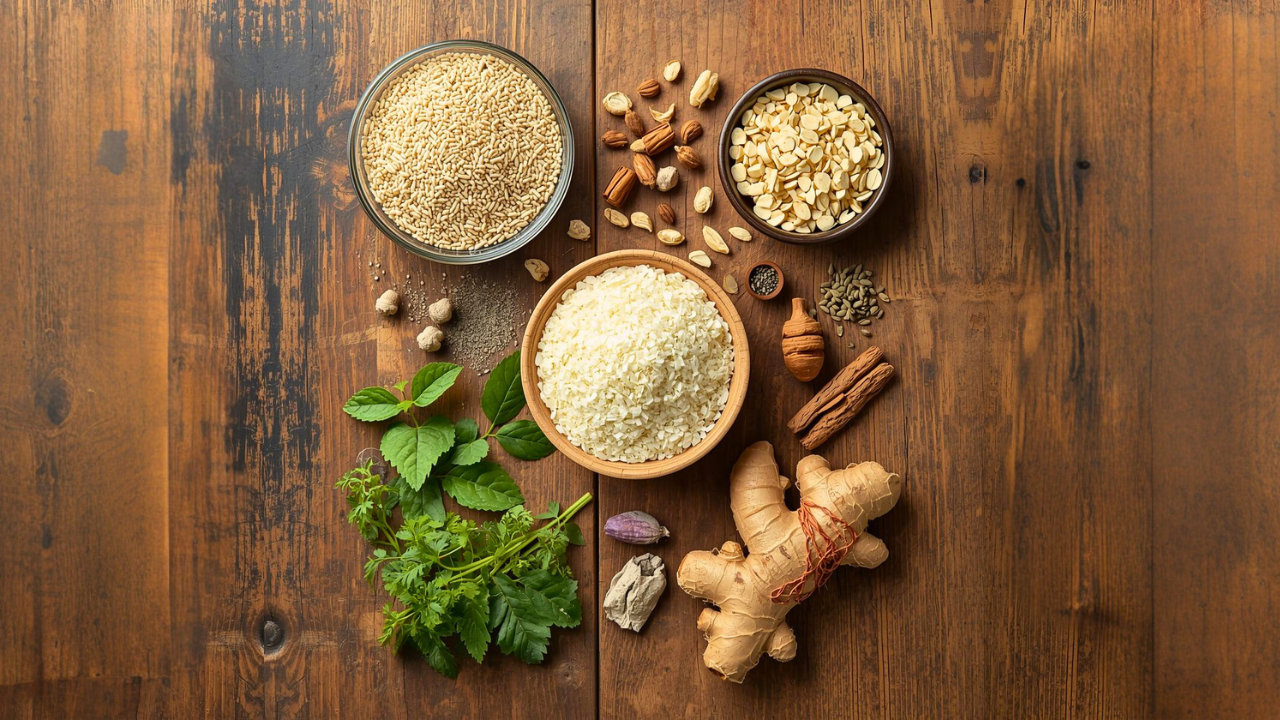
Suggested Image: Natural remedies for constipation – fruits, water, fiber foods arranged beautifully
Alt text: “Natural home remedies for constipation relief including fiber foods and hydration”
- Understanding Constipation
- Quick Relief Home Remedies
- High-Fiber Foods for Constipation
- Natural Laxatives
- Lifestyle Changes & Exercises
- Prevention Strategies
- When to See a Doctor
Understanding Constipation: Causes & Symptoms
What is Constipation?
Constipation occurs when bowel movements become infrequent or difficult to pass. Medically, it’s defined as having fewer than three bowel movements per week, though individual patterns vary. The condition occurs when the colon absorbs too much water from food, making stool hard and dry.
Common Symptoms of Constipation:
Infrequent Bowel Movements
Less than 3 times per week
Hard, Dry Stools
Difficult to pass
Straining
Excessive effort during bowel movements
Feeling of Incomplete Evacuation
Sensation of blockage
Abdominal Bloating
Discomfort and fullness
Cramping Pain
Lower abdomen discomfort
Common Causes of Constipation:
- Low Fiber Diet: Insufficient fruits, vegetables, and whole grains
- Inadequate Hydration: Not drinking enough water daily
- Sedentary Lifestyle: Lack of physical activity
- Ignoring Urge: Delaying bowel movements when nature calls
- Medications: Painkillers, antacids, antidepressants
- Stress & Anxiety: Mental health affects digestive function
- Hormonal Changes: Pregnancy, thyroid disorders
- Age: Metabolism slows with aging
- Medical Conditions: IBS, diabetes, neurological disorders
Step 1: Low Fiber & Water Intake
Diet lacks sufficient fiber and fluids, reducing stool bulk and softness
Step 2: Slow Colon Movement
Food moves slowly through digestive tract, colon absorbs excess water
Step 3: Hard Stool Formation
Stool becomes dry, hard, and difficult to pass
Step 4: Straining & Discomfort
Bowel movements become painful, infrequent, and incomplete
Result: Constipation
Chronic cycle develops if dietary and lifestyle changes aren’t made
Quick Relief Home Remedies for Constipation
When you need fast relief from constipation, these proven home remedies can help get things moving within a few hours:
Don’t Delay Urges
When you feel the urge to go, don’t postpone. Delaying can worsen constipation over time
Proper Posture
Use a small stool under feet to elevate knees above hips (squatting position aids elimination)
Take Your Time
Allow 10-15 minutes but don’t strain excessively. Relax and let it happen naturally
Stress Management:
Stress and anxiety directly affect digestive function. Managing stress can significantly improve constipation:
- Practice deep breathing exercises
- Meditation and mindfulness (10-15 minutes daily)
- Adequate sleep (7-9 hours nightly)
- Reduce caffeine and alcohol
- Engage in relaxing hobbies
Dos and Don’ts for Constipation Management
✓ DO THESE
- Drink 8-10 glasses of water daily
- Eat 25-30g of fiber daily
- Exercise regularly (30 min/day)
- Respond to urge immediately
- Eat probiotic-rich foods (yogurt)
- Include fruits & vegetables in every meal
- Establish regular bathroom routine
- Chew food thoroughly
- Take a morning walk
- Practice stress management
✗ DON’T DO THESE
- Ignore the urge to defecate
- Consume excessive dairy products
- Eat too much processed foods
- Rely on laxatives daily
- Sit for prolonged periods
- Eat large meals late at night
- Consume excessive caffeine
- Skip meals or fiber
- Strain excessively during bowel movement
- Self-medicate without understanding cause
Suggested Image: Person doing yoga or walking outdoors for digestive health
Alt text: “Exercise and physical activity for constipation relief”
Constipation Remedies for Special Groups
For Children:
- Increase water intake (age-appropriate amounts)
- Offer high-fiber fruits: papaya, pear, apple, prunes
- Warm bath to relax abdominal muscles
- Bicycle leg movements for babies
- Avoid excessive milk/dairy if sensitive
- Encourage regular toilet time after meals
- Ensure adequate physical play and activity
When to see pediatrician: If constipation persists >1 week, child has severe pain, blood in stool, or refuses to eat.
During Pregnancy:
- Increase fiber gradually to avoid gas
- Drink plenty of water (10-12 glasses)
- Eat small, frequent meals
- Include prunes, papaya, kiwi daily
- Take prenatal vitamins with food
- Gentle walking and pregnancy-safe yoga
- Psyllium husk is generally safe (consult doctor)
Avoid: Stimulant laxatives, castor oil, senna tea, aloe vera (can cause uterine contractions)
For Elderly:
- Ensure adequate hydration (often decreased in elderly)
- Soft, easy-to-digest high-fiber foods
- Prune juice or stewed prunes
- Regular gentle exercise or walking
- Review medications (many cause constipation)
- Maintain regular meal and bathroom times
- Consider fiber supplements if dietary fiber insufficient
Important: Elderly are at higher risk for complications. If constipation is sudden or severe, call a doctor at home for evaluation.
Preventing Constipation: Long-Term Strategies
Prevention is always better than treatment. These long-term strategies can help maintain regular bowel movements:
Morning Routine (6-8 AM)
- Drink 2 glasses of warm water upon waking
- Add lemon or psyllium husk to water
- Eat fiber-rich breakfast (oats, fruits)
- Allow time for bathroom after breakfast
Throughout Day (9 AM – 6 PM)
- Drink water every 2 hours
- Include vegetables in lunch
- Take short walking breaks
- Eat high-fiber snacks (fruits, nuts)
Evening (6-9 PM)
- Early, light dinner with vegetables
- 30-minute walk after dinner
- Avoid heavy, processed foods
- Limit caffeine in evening
Before Bed (9-10 PM)
- Herbal tea (chamomile, ginger)
- Gentle abdominal self-massage
- Relaxation exercises
- Adequate sleep (7-9 hours)
⚠️ When to See a Doctor for Constipation
While home remedies work for most cases, certain situations require medical attention:
- No bowel movement for more than 2 weeks despite home remedies
- Severe abdominal pain or cramping
- Blood in stool or rectal bleeding
- Unexplained weight loss with constipation
- Fever accompanying constipation
- Vomiting with constipation
- Thin, pencil-like stools (possible blockage)
- Sudden change in bowel habits lasting >2 weeks
- Severe bloating and inability to pass gas
- Constipation alternating with diarrhea (possible IBS)
- Family history of colon cancer and new constipation
Need Medical Consultation for Persistent Constipation?
If home remedies aren’t working or you’re experiencing severe symptoms, our experienced doctors can provide proper diagnosis and treatment at your home.
Professional medical care for digestive health issues
Medical Tests for Chronic Constipation:
If constipation is chronic or severe, your doctor may recommend:
- Blood tests: Check for thyroid issues, diabetes, electrolyte imbalances
- Colonoscopy: Visual examination of colon for blockages or abnormalities
- Anorectal manometry: Tests muscle function in rectum and anus
- Colon transit study: Measures how food moves through colon
- Defecography: X-ray examination during bowel movement
Related Healthcare Services
For comprehensive digestive health care and medical consultations:
- Doctor at Home Service – Professional medical consultation at your doorstep
- When to Call a Doctor at Home – Know when home doctor visit is appropriate
- Fever Treatment at Home – Complete fever care guide
- IV Drip at Home – Hydration therapy for dehydration and weakness
Frequently Asked Questions About Constipation
The information provided in this article is for educational purposes only and should not replace professional medical advice. While home remedies are effective for most cases of occasional constipation, chronic or severe constipation may indicate an underlying medical condition requiring professional evaluation.
Always consult with a qualified healthcare provider before starting any new treatment, especially if you’re pregnant, have chronic health conditions, or are taking medications. If you experience severe symptoms or constipation persists despite home remedies, seek medical attention promptly.
Conclusion: Managing Constipation Naturally
Constipation is a common but manageable condition that responds well to natural remedies and lifestyle modifications. The key to effective relief and prevention lies in a holistic approach combining adequate hydration, high-fiber nutrition, regular physical activity, and healthy bathroom habits.
Most people will find relief within 2-3 days of implementing these home remedies consistently. Quick-relief remedies like warm lemon water, prunes, and gentle exercise can provide immediate comfort, while long-term strategies prevent recurrence.
Remember that fiber, water, and movement are your three best friends in fighting constipation. Start with small changes—add one high-fiber food daily, drink an extra glass of water each morning, take a 15-minute walk—and gradually build these into permanent healthy habits.
However, don’t ignore persistent constipation or alarming symptoms. When home remedies aren’t sufficient or you’re experiencing concerning signs, professional medical evaluation is important to rule out underlying conditions and receive appropriate treatment.
Call +91-7354618597 for professional medical consultation
Expert care for all digestive health concerns
1. Warm Water with Lemon
How it works: Stimulates digestive system, hydrates bowels
How to use: Drink 1 glass of warm water with juice of half a lemon first thing in the morning on empty stomach
Relief time: 30 minutes to 2 hours